Blog

  • Affordable Hardwood Floor Repair Tips & Cost Guide

    Affordable Hardwood Floor Repair Tips & Cost Guide

    Hardwood floors are a timeless feature that add warmth, elegance, and value to any home. However, over time, even the most well-maintained hardwood can show signs of wear, damage, or aging. Knowing how to approach hardwood floor repair can save you money and preserve the beauty of your floors for years to come. Whether you’re considering professional help or looking into DIY hardwood floor repair, understanding the repair process and costs involved is essential for making informed decisions.

    Common Causes of Hardwood Floor Damage

    Before diving into repairs, it’s important to identify what causes damage to hardwood floors. Scratches from furniture, dents from heavy objects, water damage from spills or leaks, and general wear from foot traffic are some of the most frequent issues. Environmental factors like humidity can cause hardwood to expand and contract, leading to gaps or buckling. Understanding the root cause will help you select the right repair method and avoid recurring problems.

    When to DIY and When to Call a Pro

    Not every hardwood floor issue requires professional intervention. Minor scratches and surface damage can often be tackled with simple tools and products available at home improvement stores. For example, light scratches can be masked with a wood stain marker or a tinted filler, while small dents might be lifted with moisture and gentle heat using a damp cloth and iron. However, more extensive damage like deep gouges, large water stains, or structural issues may require sanding, refinishing, or even replacing individual boards, which might be best handled by professionals.

    DIY Hardwood Floor Repair

    If you decide to try DIY hardwood floor repair, start by gathering the necessary tools. Basic items include sandpaper, wood filler, putty knife, wood stain, finish (polyurethane or similar), and a clean cloth. First, clean the area thoroughly to remove dirt and debris. Lightly sand the damaged spot to smooth the surface and help the filler adhere. Apply the wood filler carefully, ensuring it matches the wood color as closely as possible. After it dries, sand it gently again to blend the repair into the surrounding floor.

    For scratches, using a tinted wood marker or crayon can be effective. These are easy to apply and can quickly improve the appearance without the need for sanding or refinishing. If the damage is more widespread, you may consider spot-sanding the affected area and applying a fresh coat of finish to restore the wood’s original luster.

    Hardwood Floor Repair Cost

    Understanding hardwood floor repair cost is crucial before beginning any project. The cost can vary widely depending on the extent of damage, the type of wood, and whether you hire professionals or handle repairs yourself. Minor repairs like scratch touch-ups or small patching jobs typically cost between $50 to $200 if done professionally, or just the price of materials if you go the DIY route.

    More extensive repairs such as sanding and refinishing can range from $3 to $8 per square foot. If entire boards need replacement, prices can increase further depending on the wood species and labor. Professional contractors usually provide an estimate after assessing the damage, but having a general idea of costs will help you budget accordingly.

    Preventative Measures to Protect Your Hardwood Floors

    While repairing hardwood floors is important, prevention is equally vital to minimize future damage. Using furniture pads, area rugs, and maintaining proper humidity levels in your home can greatly reduce wear and tear. Avoid walking on hardwood with high heels or shoes that can scuff or dent the surface. Regular cleaning with appropriate hardwood floor cleaners also helps maintain the finish and protect the wood beneath.

    Pros and Cons of DIY Hardwood Floor Repair

    Taking on DIY hardwood floor repair projects can be rewarding, but it’s not without challenges. On the plus side, DIY repairs can save money and give you greater control over the process and materials used. Many minor repairs are straightforward and can be completed over a weekend with minimal experience.

    However, there are downsides to consider. Improper sanding or using the wrong filler and finish can make repairs more noticeable or cause further damage. Also, large repairs requiring specialized equipment might be difficult for a novice to handle effectively. Weighing these factors will help you decide whether to proceed on your own or call in a professional.

    How to Match Wood Color for Repairs

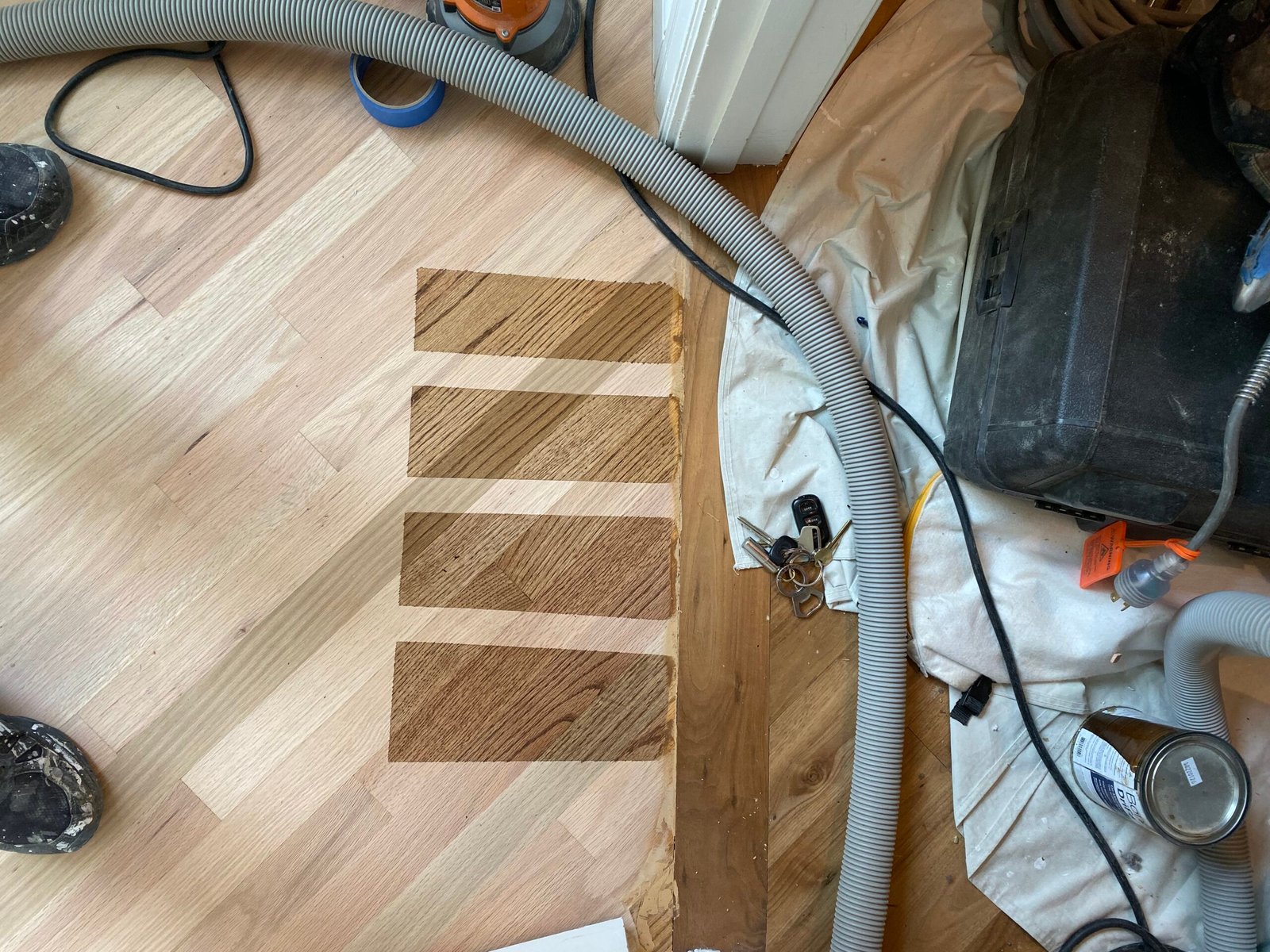
    One of the trickiest parts of hardwood floor repair is matching the wood stain and finish to existing flooring. Natural wood varies in color and grain, so even small differences can stand out. Test stains on a hidden area or on scrap wood before applying them to visible spots. Sometimes mixing stains or layering multiple coats may be needed to get an exact match. Using a clear finish over the repaired area helps blend the repair into the surrounding floor and restores uniformity.

    When to Replace Hardwood Floors Instead of Repairing

    Although many hardwood floor issues can be fixed, there comes a point when replacement is more practical. If damage is widespread, with deep gouges, severe water damage, or structural instability, repairing may only be a temporary fix. In such cases, investing in new flooring ensures a long-lasting, beautiful surface. Replacement also gives an opportunity to upgrade to more durable or modern hardwood varieties.

    Final Thoughts on Hardwood Floor Repair

    Maintaining and repairing hardwood floors is an essential part of home care that keeps your living space attractive and comfortable. Whether you choose to handle hardwood floor repair yourself or hire experts, understanding the process, costs, and techniques helps you make better decisions. By addressing damage promptly and taking preventative steps, you can extend the life of your hardwood floors and enjoy their natural beauty for years to come.

    Frequently Asked Questions

    How much does DIY hardwood floor repair cost on average?
    DIY repairs typically cost between $20 to $100, depending on materials used. Minor scratch repairs are inexpensive, while replacing boards or refinishing may require more investment.

    Can I repair water-damaged hardwood floors myself?
    Minor water stains can sometimes be treated with household items like baking soda or vinegar solutions. However, severe water damage often requires professional sanding, drying, or board replacement.

    How long does it take to repair hardwood floors?
    Simple repairs such as filling scratches can be done in a few hours. Larger repairs or refinishing jobs may take several days, considering drying and curing times.

    What is the best way to prevent hardwood floor damage?
    Use furniture pads, clean spills immediately, maintain consistent humidity, and avoid harsh cleaning chemicals. Regular maintenance significantly reduces wear and damage.

    Can I use the same finish for repairs as the original floor?
    Ideally, yes. Matching the original finish type (oil-based or water-based polyurethane) helps ensure the repair blends well and lasts longer.
  • Custom Hardwood Floor Designs for Modern Homes

    Custom Hardwood Floor Designs for Modern Homes

    When it comes to interior design, the floors are often the foundation of a home’s character. They not only set the tone for the overall look and feel of a room but also significantly influence comfort, durability, and property value. For homeowners seeking something truly personal and aesthetically striking, custom hardwood floor designs offer a creative and luxurious way to enhance the beauty of any living space.

    Choosing custom hardwood flooring isn’t just about picking a color or plank size—it’s about crafting a distinctive atmosphere that reflects your personality and complements your lifestyle. Whether you’re renovating an older property or finishing a new build, investing in personalized wood flooring can make your home feel genuinely unique and tailored.

    Appeal of Custom Hardwood Floor Designs

    Custom hardwood floor designs go beyond the standard choices available at big-box retailers. They allow homeowners to work closely with flooring specialists, designers, and artisans to create patterns, textures, finishes, and layouts that match the architectural features and mood of each room.

    The popularity of unique hardwood flooring continues to grow as more homeowners look for alternatives to mass-produced materials. The natural beauty of wood, combined with the endless customization possibilities, allows every installation to tell a story. From classic herringbone layouts to intricate medallion inlays, the design potential is virtually limitless.

    In an age where individuality in design matters more than ever, custom hardwood floors offer a tangible way to express one’s vision and preferences in home décor.

    Choosing the Right Wood for a Personalized Look

    Selecting the right species is one of the first steps in creating personalized wood flooring. Each type of wood offers unique characteristics such as grain patterns, hardness, color variation, and workability. Popular choices include oak, walnut, maple, cherry, and exotic species like Brazilian cherry or teak.

    The type of wood you choose greatly impacts the overall feel of the space. For instance, white oak offers a sleek, modern appeal, while reclaimed pine brings rustic warmth. Staining and finishing techniques can also dramatically alter the tone of the wood, allowing for greater creativity and control over the final appearance.

    Beyond the species and finish, the plank width, length, and edge style contribute to the uniqueness of the floor. Wide planks can create a sense of openness in a room, while narrow boards might evoke a more traditional ambiance. All these elements come together to form a truly customized and cohesive flooring design.

    Patterns and Layouts That Transform Spaces

    The layout of hardwood flooring can dramatically affect how a room is perceived. Custom hardwood floor designs often incorporate advanced patterning to enhance visual interest. Traditional layouts like straight planks remain popular, but modern homeowners are increasingly drawn to styles such as:

    • Herringbone: Offers timeless elegance and adds a touch of sophistication.

    • Chevron: A sharper, more contemporary alternative to herringbone.

    • Parquet: Great for formal rooms, adding luxury and dimension.

    • Mixed-width planks: A dynamic way to create texture and depth.

    The ability to mix and match patterns across different rooms adds a layer of personalization, making each area of the home feel distinct yet connected. Strategic layout choices can also be used to guide movement through a home or emphasize architectural features like fireplaces or staircases.

    Finishes and Textures in Personalization

    Finishes play a critical role in the performance and aesthetic of custom flooring. Matte finishes have become particularly popular for their natural appearance and ability to mask minor scratches and dust. High-gloss finishes, while less forgiving, add dramatic shine and a polished look.

    In terms of texture, hand-scraped or wire-brushed finishes offer a more tactile, lived-in feel, making them ideal for family homes or rustic settings. Smooth finishes, on the other hand, lend themselves to modern and minimalist spaces.

    Custom staining techniques can transform even a common wood species into something extraordinary. A skilled artisan can mix colors to match furniture, cabinetry, or paint tones, creating a unified design story throughout the home.

    Sustainability & Ethical Sourcing Matter

    As eco-conscious living becomes a priority for many homeowners, custom hardwood floor designs are increasingly being sourced from sustainable forests or reclaimed wood. Choosing ethically harvested or recycled materials doesn’t mean sacrificing style. In fact, many reclaimed woods come with rich character, including knots, saw marks, and unique coloring that can’t be replicated in newly milled lumber.

    When selecting materials for a personalized wood flooring project, working with suppliers who prioritize sustainable practices ensures not only environmental responsibility but also a healthier home environment with low-VOC finishes and adhesives.

    Integrating Floors with Interior Themes

    A thoughtful custom hardwood floor should act as a canvas that ties together all elements of your interior design. Whether your style leans toward farmhouse, mid-century modern, industrial, or coastal, your floor can enhance and anchor your aesthetic vision.

    Dark-stained hardwoods can create dramatic contrast in minimalist interiors, while lighter woods keep coastal and Scandinavian spaces feeling airy. In eclectic or bohemian homes, mixed tones and bold patterns can act as an artistic statement, allowing the floor itself to serve as a conversation piece.

    Strategic use of borders or inlays can define areas in open-concept spaces without the need for walls or dividers. These design techniques make it easier to maintain flow while still offering structure and elegance.

    Installation Techniques That Reflect Craftsmanship

    Custom hardwood floor designs are as much about skilled installation as they are about materials and patterns. Proper installation ensures not only a beautiful result but also long-term durability. Whether it’s a complex pattern like Versailles or a simple staggered layout with seamless transitions between rooms, craftsmanship makes a visible difference.

    Advanced techniques such as custom inlays, medallions, or laser-etched designs allow homeowners to add signature touches to their space. These artistic elements can be positioned at the entrance, beneath a chandelier, or even integrated into a central room to create a focal point.

    Enhancing Value Through Unique Hardwood Flooring

    While custom hardwood flooring involves a higher upfront investment, it often translates to increased home value and appeal. Homes with unique, well-maintained flooring attract attention in real estate listings and often command higher prices.

    Buyers appreciate the quality, longevity, and exclusivity that personalized wood flooring offers. It signals that the home has been thoughtfully designed and cared for, making it a worthwhile upgrade for those planning to sell in the future.

    Maintenance Tips for Preserving Beauty

    To ensure the longevity of your custom floor, it’s important to adopt a regular maintenance routine. Use soft-bristled brooms or microfiber mops to remove dust. Avoid harsh cleaners that can strip finishes and opt for pH-neutral products specifically designed for hardwood.

    Area rugs in high-traffic zones and felt pads under furniture help protect against scratches and dents. Refinishing every few years—depending on traffic and finish type—can rejuvenate the appearance and extend the floor’s life.

    Consistent care not only preserves the aesthetic appeal but also protects the value of your investment.

    Final Verdict

    Custom hardwood floor designs provide homeowners with the opportunity to blend beauty, function, and personal expression into the foundation of their living spaces. By embracing unique hardwood flooring solutions tailored to their specific tastes and needs, homeowners create more than just a surface to walk on—they build a meaningful extension of their home’s personality.

    From choosing the right wood species and pattern to exploring finishes and sustainable options, each step in the process contributes to a one-of-a-kind result. When done right, personalized wood flooring can transform any room into a space that feels warm, elegant, and distinctly yours.

    Frequently Asked Questions

    What makes custom hardwood floors different from standard hardwood flooring?
    Custom hardwood floors are tailored to a homeowner’s design preferences, including wood species, layout, finish, texture, and pattern. Unlike off-the-shelf options, they allow for a high degree of personalization and artistic expression.

    How long does it take to install a custom hardwood floor?
    The timeline varies depending on the complexity of the design, size of the space, and whether any subfloor preparation is needed. On average, custom installations can take anywhere from several days to a few weeks.

    Is custom hardwood flooring more expensive than pre-finished flooring?
    Yes, custom hardwood flooring typically involves a higher cost due to the use of premium materials and specialized labor. However, the investment often pays off in terms of durability, aesthetics, and resale value.

    Can I install custom hardwood floors in kitchens or bathrooms?
    While hardwood can be used in kitchens with proper sealing and maintenance, it’s generally not recommended for full bathrooms due to moisture exposure. Alternatives like engineered wood or sealed hardwood may offer better performance in wet areas.

    How do I maintain my custom wood floors and keep them looking new?
    Regular sweeping, gentle mopping, and immediate cleanup of spills are key. Use rugs in high-traffic areas and consider refinishing every few years to keep your floors looking their best.

  • Avoid These Top 5 Hardwood Floor Mistakes

    Avoid These Top 5 Hardwood Floor Mistakes

    Installing hardwood floors can be one of the most rewarding upgrades to a home, both in terms of beauty and long-term value. However, this seemingly simple task can become a source of regret if not approached with the right planning and execution. Too often, homeowners and even some professionals overlook crucial steps that ensure a flawless finish. If you’re investing in wood flooring, knowing the hardwood floor installation mistakes to avoid is essential to getting the job done right the first time.

    The allure of real wood flooring lies in its natural beauty, warmth, and ability to elevate the character of any space. But achieving a professional look isn’t just about laying down planks and calling it a day. Hardwood is a living material that reacts to its environment, and improper handling during installation can lead to expensive issues like warping, buckling, or gapping. This is why understanding the process and identifying common flooring errors ahead of time is so crucial.

    Let’s explore the top five missteps to avoid when installing hardwood floors and how you can make the best decisions throughout the process.

    Skipping Acclimation

    One of the most frequent hardwood floor installation mistakes is failing to properly acclimate the wood to its new environment. Wood is naturally hygroscopic, which means it absorbs and releases moisture based on its surroundings. If you bring wood flooring into a space and install it immediately without allowing it time to adjust, the boards can expand or contract after installation, causing gaps or buckling.

    Acclimation involves storing the flooring in the room where it will be installed for a period of several days, depending on humidity and temperature conditions. It’s essential to measure both the room’s conditions and the moisture content of the wood to ensure a balance. Skipping this step is a shortcut that can ruin the entire project, often leading to replacement costs that could have been avoided with proper preparation.

    Ignoring Subfloor Preparation

    Even the highest-quality hardwood won’t perform well if laid over a poorly prepared subfloor. This is another critical area where many common flooring errors occur. The subfloor should be dry, level, clean, and structurally sound. Any bumps, dips, or moisture problems can lead to an unstable surface, resulting in squeaky floors or planks that come loose over time.

    An uneven subfloor not only affects how the flooring lays but also how long it lasts. Moisture in the subfloor can seep into the hardwood, encouraging mold growth or warping. Before beginning any installation, it’s essential to evaluate and correct the subfloor. This may involve sanding down high spots, filling in low ones, or even replacing damaged sections.

    One of the most overlooked hardwood floor installation tips is performing a thorough moisture test on both the subfloor and the wood. Only when moisture levels are within acceptable ranges should installation begin. This step is particularly important in areas with fluctuating humidity levels, such as basements or homes in seasonal climates.

    Choosing the Wrong Fastening Method

    The method used to fasten hardwood flooring to the subfloor plays a major role in the success of the installation. Whether it’s nailing, stapling, gluing, or floating, the choice should be based on the type of hardwood, subfloor material, and room usage. Using the wrong method can lead to serious complications down the line.

    For instance, using glue on a wood that expands and contracts too much can result in boards separating over time. Floating floors that aren’t properly anchored can shift with foot traffic. Improper nailing techniques can cause splitting, squeaking, or uneven planks. It’s not just about choosing a method but executing it correctly.

    A smart approach is to follow the manufacturer’s recommendations precisely. Each hardwood product comes with detailed guidelines, and ignoring them is one of the biggest hardwood floor installation mistakes. Professional installers always align their techniques with the specific needs of the wood and the installation environment.

    Rushing the Installation Process

    Patience is key when it comes to hardwood floor installation. One of the most damaging mistakes is rushing through steps or cutting corners to meet a tight timeline. This usually results in errors that only become apparent after the floors are in place. Common flooring errors like skipping layout planning, ignoring expansion gaps, or not checking board quality before laying them can all stem from hurrying.

    Every installation should start with a detailed layout plan. This includes determining the direction of the planks, accounting for focal points in the room, and planning transitions between spaces. Taking the time to dry-fit rows and inspect each board for defects ensures a more consistent, polished appearance.

    Expansion gaps are another detail that’s often overlooked in rushed jobs. Wood naturally expands and contracts with seasonal changes, and without adequate spacing near the walls, the pressure can cause the floor to lift or warp. A meticulous, step-by-step approach might take more time, but the payoff is a floor that looks and performs beautifully for decades.

    Neglecting Post Installation Care

    After installation, your hardwood flooring still requires attention to ensure longevity. One of the major hardwood floor installation mistakes is assuming the job is complete once the last plank is in place. Post-installation care includes allowing the adhesives or finishes to cure properly before moving in furniture, as well as establishing a maintenance routine to protect the surface.

    Immediate issues can arise if furniture is dragged across the floor or rugs are laid down before adhesives cure, leading to damage or misalignment. Long-term care involves regular cleaning with products designed for hardwood, monitoring humidity levels in the home, and using protective pads under furniture to prevent scratches.

    Many homeowners also overlook the importance of refinishing. Over time, high-traffic areas may lose their luster. Knowing when to sand and re-coat can help extend the life of your floors and keep them looking like new. Ongoing maintenance is part of a responsible installation and is just as critical as the initial work.

    Conclusion

    Avoiding hardwood floor installation mistakes starts with understanding that success lies in the details. From allowing the wood to acclimate properly and ensuring the subfloor is prepared, to using the correct fastening techniques and respecting the pace of the process, each step plays a vital role in achieving a high-quality result. The final piece of the puzzle—long-term care—ensures that your investment continues to pay off for years to come.

    Installing hardwood flooring isn’t just a weekend project; it’s a commitment to craftsmanship and care. By being mindful of the most common flooring errors and following expert-approved hardwood floor installation tips, you’ll save time, money, and the frustration of having to correct avoidable mistakes.

    Frequently Aanswered Questions

    What is the biggest mistake when installing hardwood floors?
    The most damaging mistake is skipping the acclimation process. Without letting the wood adjust to your home’s environment, you risk warping and gapping soon after installation.

    Can I install hardwood floors myself?
    While DIY installation is possible, it requires a thorough understanding of proper techniques and tools. Mistakes in leveling, fastening, or layout can result in costly repairs.

    How long should hardwood flooring acclimate before installation?
    Typically, hardwood should acclimate for 3 to 7 days in the room where it will be installed. The exact time depends on the wood species and indoor climate.

    What type of subfloor is best for hardwood floors?
    Plywood is commonly recommended because it provides a stable and smooth base. However, the subfloor must be dry, level, and clean, regardless of the material used.

    Do I need to leave a gap around the edges during installation?
    Yes, expansion gaps are essential to allow for the natural movement of wood. Without them, the flooring can buckle or warp as it expands with moisture.

  • Hardwood Floor Refinishing in California Guide

    Hardwood Floor Refinishing in California Guide

    Refinishing hardwood floors can breathe new life into any California home, increasing both its beauty and its value. Over time, even the most durable floors start to show signs of wear—scratches, dullness, and discoloration are all part of a floor’s aging process. If you’re noticing these signs, it might be time to consider hardwood floor refinishing. California homeowners are investing in these services not only to restore the look of their floors but to extend their lifespan and keep their homes looking timeless.

    Whether you’ve just moved into a house with aged floors or you’re planning a renovation, understanding what hardwood floor refinishing services involve, the flooring refinishing cost, and how to choose the right contractor in California is crucial.

    Why Hardwood Floor Refinishing is Essential

    Hardwood floors are one of the most desirable flooring options because of their elegance, durability, and ability to complement a wide range of interiors. However, over the years, daily wear and tear can lead to surface damage. While cleaning and polishing help temporarily, they can’t restore the original luster once the top layer has been compromised. This is where refinishing comes in.

    Refinishing removes the damaged upper layer of wood and applies a new stain and protective finish, restoring the natural beauty of the floor. In California , where seasonal humidity changes can impact wood, timely refinishing helps prevent deeper structural issues, including cupping or warping.

    The Hardwood Floor Refinishing Process in California Homes

    Understanding the steps involved in hardwood floor refinishing services can help you make informed decisions and set realistic expectations. Typically, refinishing includes:

    1. Inspection and Preparation
    Professionals will begin by inspecting the floor to identify any deep damage or structural concerns. Loose boards or nails are secured, and furniture is removed from the area.

    2. Sanding
    This is the most critical stage. Using professional sanding equipment, the top layer of wood, including old stain and finish, is sanded away to expose a fresh surface.

    3. Cleaning and Vacuuming
    After sanding, the floor is thoroughly cleaned to remove dust and particles that can interfere with the application of new finishes.

    4. Staining (Optional)
    If you want a new color or tone, this is the stage where staining is applied. Many California homeowners opt for modern tones like grey, walnut, or espresso to match contemporary décor.

    5. Sealing and Finishing
    The final step is applying a polyurethane sealant or eco-friendly water-based finish. This not only adds shine but also protects the floor from future damage.

    How Much Does Hardwood Floor Refinishing Cost in California?

    One of the most common questions California homeowners ask is about the cost. Flooring refinishing cost depends on multiple factors such as the total area, the condition of the floors, the type of finish used, and whether staining is required.

    On average, hardwood floor refinishing in California ranges from $3 to $6 per square foot. However, if there are extensive repairs or custom finishes involved, the price can go higher. Labor rates, materials, and even the layout of your home (e.g., tight corners, stairs) can affect final pricing.

    Keep in mind that investing in quality refinishing services adds more value to your property than opting for a budget solution that may not last. In California competitive real estate market, well-maintained hardwood floors are a major selling point.

    Benefits of Professional Hardwood Floor Refinishing

    While DIY kits exist, professional hardwood floor refinishing services provide several advantages that make them a better choice, especially for California homes where humidity and wood expansion are real concerns.

    Longevity
    Professionally refinished floors can last up to 10 years or more before needing another round of treatment. Experts use high-grade equipment that ensures an even and smooth finish.

    Improved Aesthetics
    Whether you want a traditional oak look or something more contemporary, a professional refinishing job ensures the finish looks polished, clean, and aligned with your interior style.

    Enhanced Home Value
    In California housing market, details matter. Refinished hardwood floors add immediate value and appeal to potential buyers or renters.

    Environmental Sustainability
    Rather than replacing your floor, which can contribute to landfill waste, refinishing is a sustainable option that gives your existing materials a second life.

    Choosing the Right Refinishing Service Provider in California

    With so many contractors offering hardwood floor refinishing services, finding the right team in California can feel overwhelming. Here are a few tips to make your selection process smoother:

    Experience Matters
    Look for companies with proven experience specifically in hardwood refinishing—not just general flooring services. Ask to see before-and-after photos or request references.

    Licensing and Insurance
    Make sure the contractor is properly licensed to work in California and carries liability insurance. This protects you in case of damage or accidents during the job.

    Written Estimates
    A reputable company will provide a detailed written estimate outlining the scope of work, materials, timeline, and total cost. Avoid vague or overly generalized quotes.

    Eco-Friendly Options
    California residents are increasingly looking for sustainable solutions. Ask your provider about low-VOC stains and water-based finishes that are better for indoor air quality.

    Common Signs Your Floors Need Refinishing

    You don’t always need to wait for deep damage to appear before refinishing your floors. Here are a few signs that it’s time to call for hardwood floor refinishing services:

    • The finish appears dull or worn, even after cleaning

    • Surface scratches and minor dents are becoming more noticeable

    • Discoloration due to sunlight or spills

    • Water damage stains that no longer clean off

    • You’re remodeling and want a new look to match your updated style

    In California , where hardwood floors are common in both older and newer homes, many owners plan for refinishing every 7–10 years, depending on usage.

    How Long Does the Refinishing Process Take?

    Timing is another concern for busy homeowners. The refinishing process usually takes 3 to 5 days for a standard-sized room, though this can vary depending on drying times and whether staining is involved. During this period, access to the area will be restricted. Some modern finishes allow for quicker drying, but it’s important to follow your contractor’s advice on when to walk on the floor or move furniture back in.

    Planning your refinishing project around vacations or long weekends can help minimize inconvenience. Many California professionals also offer flexible scheduling to suit homeowner needs.

    Maintaining Your Floors After Refinishing

    Once your floors have been refinished, maintenance is key to preserving their beauty. Use felt pads under furniture, avoid high heels on wood surfaces, and clean using products designed for hardwood. Avoid excessive water or steam cleaners, as these can degrade the finish over time.

    Reapplying a maintenance coat every few years can extend the life of the finish without requiring a full refinish. Speak with your refinishing contractor in California about a long-term maintenance plan suited to your lifestyle.

    Final Thoughts

    Hardwood floor refinishing in California is more than just a cosmetic upgrade—it’s a smart investment in your home’s future. By choosing the right service provider, understanding the refinishing process, and staying on top of maintenance, you can enjoy beautiful floors that last for decades. Whether you live in an older Victorian or a newer condo, well-maintained hardwood floors elevate your home’s appearance and market value.

    If your floors are looking tired, don’t rush to replace them. Refinishing is a cost-effective, eco-friendly way to restore the natural charm of your home’s interior. Just make sure to choose experienced professionals who understand California climate, flooring trends, and homeowner expectations.

    Frequently Answered Questions

    How often should I refinish my hardwood floors in California ?
    Typically, hardwood floors should be refinished every 7 to 10 years. However, high-traffic areas or floors exposed to direct sunlight may need it more often.

    Can I stay in my home during the refinishing process?
    Yes, but it’s recommended to avoid the work area due to dust, noise, and fumes. Some finishes also require curing time where the floor shouldn’t be walked on.

    Is it cheaper to refinish or replace hardwood floors?
    Refinishing is significantly more cost-effective than replacing. It preserves the existing material while giving the appearance of a brand-new floor.

    Will refinishing remove deep scratches or stains?
    Most surface-level scratches and stains are removed during sanding. However, deep gouges or water damage may require board replacement.

    Can I change the color of my hardwood during refinishing?
    Yes, staining allows you to customize the color. California homeowners often opt for modern shades during refinishing to match updated interiors.

  • Timeless Appeal of Herringbone Wood Flooring

    Timeless Appeal of Herringbone Wood Flooring

    Herringbone wood flooring is one of the oldest and most elegant floor patterns in interior design history. What once graced the grand halls of European palaces now finds its place in modern homes, urban lofts, and high-end commercial spaces. The appeal lies in its ability to strike a perfect balance between heritage and modernity. With evolving design sensibilities and improved manufacturing techniques, this traditional style has transformed into a versatile flooring option that caters to a wide range of aesthetic preferences.

    As homeowners and designers continue to seek unique flooring solutions that make a statement, wood floor patterns like herringbone are making a strong comeback. They offer visual interest, depth, and a dynamic sense of movement to spaces of all sizes. Whether it’s a vintage-inspired interior or a sleek contemporary design, herringbone flooring complements and elevates the overall aesthetic effortlessly.

    Rich Legacy Reimagined for Modern Spaces

    The history of the herringbone pattern dates back centuries, with its origins traced to ancient Roman roads and 16th-century French parquetry. Traditionally associated with opulence and architectural refinement, the pattern is characterized by rectangular wooden planks arranged in a zigzag formation. This not only creates visual intrigue but also enhances the durability and structural integrity of the floor.

    Today, herringbone wood flooring continues to impress by bridging the old and the new. Designers are reinventing the style using modern materials, finishes, and colors, creating custom hardwood floor designs that are both timeless and contemporary. Whether it’s smoked oak, whitewashed ash, or reclaimed walnut, the choice of wood plays a crucial role in defining the character of the floor.

    Why Homeowners Love the Herringbone Pattern

    One of the most compelling reasons people opt for herringbone wood flooring is its ability to add sophistication and texture to any room. The geometric pattern captures light in unique ways, enhancing the ambiance and mood of the space. Unlike conventional straight-laid floors, the herringbone layout guides the eye naturally, making rooms appear larger and more expansive.

    In open-concept layouts, this pattern serves as a subtle yet effective way to delineate zones without the need for walls or dividers. It also adds a touch of handcrafted luxury, making even the simplest interiors look thoughtfully curated. The resurgence of interest in intricate wood floor patterns reflects a broader trend towards personalization in home design, where every detail contributes to the narrative of the space.

    Materials, Finishes, and Textures

    A key factor that has contributed to the renewed popularity of herringbone flooring is the diversity of materials now available. While solid hardwood remains a premium choice for many, engineered wood offers flexibility and performance in areas where humidity and temperature changes are a concern. Engineered boards also allow for a wider range of plank sizes, which is especially beneficial for creating custom hardwood floor designs.

    Finishes range from matte and natural oils to high-gloss lacquers, allowing homeowners to tailor the final look according to their desired aesthetic. Matte finishes highlight the grain and texture of the wood, while glossy surfaces reflect more light and can make smaller rooms feel brighter. Textured options like wire-brushed or hand-scraped finishes introduce an artisanal quality, enhancing the authenticity of the flooring.

    Installation Considerations and Design Tips

    Herringbone flooring requires precision during installation. Each plank must be perfectly aligned to maintain the distinctive V-shape and symmetry of the pattern. As a result, this style typically involves more labor and time than standard wood floor patterns. However, the end result is a luxurious and durable surface that adds significant value to a property.

    When planning a herringbone layout, proportion and room size are essential considerations. Larger planks suit spacious areas, while smaller herringbone tiles or boards are ideal for compact rooms where subtlety is key. Orientation also matters—laying the pattern diagonally can enhance the dynamic energy of the space, while a straight alignment parallel to the longest wall creates a more traditional look.

    Transitioning between flooring materials or different areas of the home is another area where herringbone excels. The pattern can be framed with border planks or paired with stone and tile to create elegant thresholds. These custom hardwood floor designs elevate not only the aesthetic but also the functional aspects of interior design.

    Versatile Pattern for Every Interior Style

    One of the most remarkable aspects of herringbone wood flooring is its adaptability across various interior design themes. In minimalist or Scandinavian-inspired spaces, lighter woods such as white oak or ash can be laid in a soft herringbone pattern for a calm, cohesive look. In contrast, darker woods like walnut or smoked oak work beautifully in more dramatic or industrial settings, adding depth and richness.

    For transitional homes that blend classic and contemporary elements, herringbone offers a unifying design element. The pattern adds just enough complexity to prevent spaces from feeling flat while maintaining a refined and timeless appearance. Its versatility also makes it a favorite among architects and designers looking to create bespoke environments tailored to individual tastes.

    Sustainability and Modern Innovations

    Sustainability has become a major consideration for homeowners investing in wood flooring. Many manufacturers now offer responsibly sourced wood certified by organizations like the FSC, ensuring that environmental impact is minimized. Engineered herringbone flooring is also gaining popularity for its efficient use of raw materials without compromising on aesthetics or durability.

    Technological advances have also led to pre-finished and click-lock herringbone options, reducing installation time and making the pattern more accessible to a wider audience. These innovations are making it easier than ever to enjoy the charm of herringbone flooring without the high cost or complexity it once entailed.

    Creating Custom Hardwood Floor Designs with Herringbone

    Custom hardwood floor designs are an area where herringbone truly shines. From combining different wood species in alternating planks to incorporating contrasting inlays or metal borders, the design possibilities are virtually endless. These bespoke features not only personalize the space but also tell a story about the homeowner’s style and values.

    Some designers are even integrating herringbone with other wood floor patterns like chevron or basketweave, creating dynamic combinations that are visually captivating and entirely unique. This blending of tradition and innovation reflects the broader trend of customization in modern interior design.

    Maintaining the Beauty of Herringbone Wood Flooring

    To preserve the beauty and longevity of herringbone wood flooring, regular maintenance is key. Using floor protectors on furniture, keeping surfaces clean and dry, and avoiding harsh chemicals will go a long way in maintaining the finish. Modern sealants and finishes have made it easier to care for wood floors, but periodic refinishing may still be necessary to restore the surface after years of use.

    Humidity control is another essential aspect, especially in areas with seasonal climate fluctuations. Installing a humidifier or dehumidifier can prevent the wood from expanding or contracting excessively, protecting the intricate pattern from warping or gaps.

    Conclusion

    Herringbone wood flooring is much more than a nostalgic design choice. It represents a harmonious blend of history and innovation, elegance and practicality. As design preferences evolve, this classic pattern continues to reinvent itself, offering endless opportunities for creativity and expression. Whether you’re drawn to its timeless appeal or its ability to make a bold statement, herringbone flooring is a choice that stands the test of time.

    For homeowners, designers, and builders alike, incorporating herringbone into their projects not only enhances the beauty of a space but also speaks to a deeper appreciation for craftsmanship and style. With thoughtful planning and the right materials, it’s possible to create stunning interiors that feel both classic and current—one plank at a time.

    Frequently Anaswered Questions

    What is the difference between herringbone and chevron flooring?
    While both patterns are similar, herringbone planks are rectangular and laid in a broken zigzag pattern, whereas chevron uses angled planks that form a continuous V-shape.

    Is herringbone flooring more expensive than standard wood flooring?
    Yes, due to the complexity of the pattern and the precision required for installation, herringbone flooring typically involves higher labor costs and longer installation times.

    Can herringbone wood flooring be used in small rooms?
    Absolutely. When laid with smaller planks and light-colored woods, herringbone can make compact spaces appear larger and more refined.

    Is engineered wood suitable for herringbone patterns?
    Yes, engineered wood is an excellent option for herringbone patterns. It offers more stability in fluctuating climates and comes in a wide range of finishes.

    Does herringbone flooring require special maintenance?
    Not necessarily. Regular sweeping and occasional mopping with wood-safe products are usually enough. However, maintaining proper humidity levels is important for longevity.

  • Dark Walnut Hardwood Floors for Elegant Interiors

    Dark Walnut Hardwood Floors for Elegant Interiors

    When designing a home or planning a renovation, flooring is one of the most impactful decisions you can make. The type of flooring you choose not only sets the tone for your interior style but also influences how your space feels. Among the various flooring options available, dark walnut hardwood floors continue to captivate homeowners, designers, and architects alike. Their deep, rich tones, classic beauty, and unmatched durability make them a top contender for those seeking both style and substance.

    In today’s interior design trends, where warmth, earth tones, and authenticity dominate, the luxurious elegance of walnut wood flooring fits seamlessly. From traditional to contemporary, rustic to minimalist spaces, these floors offer a timeless aesthetic that elevates every setting.

    Natural Beauty of Walnut Wood

    Walnut wood is celebrated for its rich, chocolatey tones and fine grain patterns. The dark hues lend a sense of warmth and comfort while maintaining a distinctly upscale appearance. Unlike lighter woods, which can sometimes feel stark or too casual, elegant hardwood flooring made from walnut immediately adds depth and dimension to a room.

    Dark walnut’s natural variations in grain and tone make each plank unique, creating a more organic and refined visual appeal. The heartwood, which is the darker inner portion of the walnut tree, is particularly desirable. It’s what gives the flooring its deep color and luxurious feel.

    Additionally, walnut ages beautifully. Over time, the wood develops a soft patina that enhances its already impressive character, making it even more charming as the years pass.

    Versatility in Design and Function

    What sets dark walnut hardwood floors apart from other wood flooring options is their remarkable versatility. Whether your interiors lean toward farmhouse charm, mid-century modern aesthetics, or clean minimalist lines, walnut adapts beautifully to your design goals.

    It pairs exceptionally well with both dark and light color schemes. In brighter spaces with white or neutral walls, dark walnut adds contrast and sophistication. In moody or cozy rooms, it complements the ambiance by reinforcing a sense of richness and depth.

    Moreover, walnut works well with various interior textures. Leather furniture, stone countertops, brass fixtures, and even plush textiles all find harmony when paired with this luxurious wood flooring.

    Functionally, walnut is also an excellent material. While it’s slightly softer than some hardwoods, such as oak or maple, it’s still highly durable and can last for decades when properly maintained. This makes it ideal for living rooms, dining areas, bedrooms, and even hallways.

    Elevating Home Value with Elegant Hardwood Flooring

    Investing in high-quality flooring is a smart move for any homeowner. Not only does it enhance daily living, but it also adds substantial resale value. Elegant hardwood flooring made from walnut is seen as a premium feature by potential buyers. Its beauty, paired with its long-lasting performance, positions it as a top choice for increasing home appeal.

    Many real estate professionals agree that homes with real hardwood floors often sell faster and for higher prices compared to homes with carpet or laminate. The elegance of dark walnut especially appeals to discerning buyers who appreciate craftsmanship and quality materials.

    Moreover, since walnut flooring tends to remain stylish year after year, it minimizes the risk of looking outdated as trends shift. This timelessness ensures that your investment continues to yield returns in aesthetic and financial value for years to come.

    Maintenance and Care

    Like all hardwood floors, dark walnut requires some care to maintain its finish and longevity. Thankfully, walnut’s rich tone naturally disguises minor dust and debris, making it easier to maintain a clean appearance compared to very light or grey-toned floors.

    Regular sweeping or vacuuming with a hardwood-safe attachment helps prevent surface scratches from dirt or grit. Occasional mopping with a slightly damp microfiber mop and a pH-neutral cleaner keeps the wood nourished without stripping its protective finish.

    While walnut is slightly softer, it doesn’t mean it’s fragile. Using area rugs in high-traffic zones and placing pads beneath furniture legs helps extend its pristine look. With routine care and minimal upkeep, dark walnut hardwood floors can retain their luxurious appearance for decades.

    Sustainable and Responsible Sourcing

    As environmental concerns grow, many homeowners seek flooring solutions that are both beautiful and responsibly sourced. Walnut is often harvested from sustainable forests, and many manufacturers now prioritize eco-friendly practices, offering certified products that meet strict environmental standards.

    Choosing walnut wood flooring from a reputable supplier ensures that you’re not only investing in quality but also contributing to forest stewardship and ethical production. Some options even offer engineered walnut flooring that reduces waste while still delivering the same visual appeal as solid wood.

    Why Dark Walnut is More Than a Trend

    It’s easy to dismiss any design feature as a passing trend, but dark walnut has proven its staying power. Its popularity has remained steady through decades of shifting styles, and if anything, its relevance continues to grow in modern interior design.

    Its innate elegance and adaptability make it suitable for a wide range of homes and lifestyles. Whether you’re renovating a historic property, upgrading a city apartment, or designing your dream new-build, dark walnut hardwood floors bring a level of refinement that few other materials can match.

    The way walnut interacts with natural light, its ability to anchor a room, and the sheer visual warmth it provides contribute to its enduring appeal. Unlike synthetic flooring that may need replacing after a few years, walnut continues to offer beauty and function over the long haul.

    Making the Right Choice for Your Space

    Before committing to a specific flooring material, it’s important to assess how it aligns with your interior goals, lifestyle, and long-term needs. Dark walnut is a compelling option for those seeking elegance without sacrificing functionality.

    When paired with the right furniture, lighting, and finishes, it can truly transform a space. And because it complements both trendy and traditional interiors, it offers the flexibility to evolve with your taste over time.

    Consulting with a professional designer or flooring specialist can also help ensure the perfect finish, plank size, and installation technique for your home. Whether you choose wide planks for a more expansive feel or a herringbone pattern for a designer touch, walnut delivers stunning results.

    Lasting Impression of Walnut Wood Flooring

    In the ever-evolving world of interior design, one thing remains constant: the value of quality materials. Dark walnut hardwood floors represent more than just a surface to walk on—they are a statement of taste, refinement, and timeless beauty.

    Their ability to merge warmth with sophistication, practicality with luxury, makes them one of the most desirable flooring choices available today. Whether you’re planning a full-scale renovation or updating a single room, incorporating elegant hardwood flooring in dark walnut ensures your space exudes character and class.

    From enhancing property value to elevating everyday living, the benefits of walnut wood flooring go well beyond aesthetics. It’s a choice that not only reflects your personal style but also stands the test of time, both in function and fashion.

    Frequently Asked Questions

    What makes dark walnut hardwood floors different from other hardwoods?
    Dark walnut floors are known for their rich color, fine grain, and luxurious feel. Unlike oak or maple, walnut has a naturally deep hue that adds sophistication to any room, making it ideal for elegant interiors.

    Are walnut wood floors suitable for high-traffic areas?
    Yes, although walnut is slightly softer than some hardwoods, it can still handle daily wear with proper care. Using rugs and furniture pads will help maintain its finish in busy areas.

    Do dark walnut floors make a room look smaller?
    Not necessarily. While dark colors can add depth and richness, the overall room size impact depends on lighting and wall colors. Pairing walnut with light-colored walls or ample natural light can keep spaces feeling open and balanced.

    Is walnut hardwood flooring expensive?
    Walnut tends to be on the higher end of the price spectrum due to its premium look and feel. However, many consider it a worthwhile investment because of its timeless appeal and durability.

    How do I clean and maintain dark walnut hardwood floors?
    Routine sweeping and damp mopping with a hardwood-safe cleaner is all you need. Avoid harsh chemicals, and consider refinishing every few years to maintain its luster.

  • Best Hardwood Floors for Pets That Last

    Best Hardwood Floors for Pets That Last

    Choosing the best hardwood floors for pets is more than a design decision—it’s a practical move for homeowners who share their lives with cats, dogs, or both. Pets bring warmth and companionship, but they also bring claws, accidents, and the occasional wild sprint across the house. That’s why finding hardwood flooring that can withstand everyday pet activity without showing immediate signs of wear is essential. In today’s modern flooring market, there are a range of hardwood options that combine aesthetics with durability, offering long-term value for pet owners.

    Pet-friendly hardwood floors are no longer a luxury. With increasing innovation in surface coatings and wood treatments, you don’t have to compromise between a beautiful hardwood aesthetic and the practical need for resilience. What’s more, manufacturers are constantly enhancing the technology behind wood finishes to better resist scratches, dents, and moisture, which are typical concerns in pet-friendly homes.

    What Makes Hardwood Flooring Pet-Friendly?

    The concept of pet-friendly hardwood floors revolves around a few key factors: hardness, finish, grain pattern, and maintenance. Hardness determines how well the wood resists dents and scratches from pet nails. The finish plays a crucial role in surface protection, especially if it’s aluminum oxide or ceramic-reinforced. Grain patterns help to camouflage small imperfections that pets might cause. Lastly, ease of maintenance ensures that the floor remains attractive with routine cleaning.

    Another thing that makes a big difference is whether the flooring is solid hardwood or engineered hardwood. Both can be durable, but engineered hardwood often performs better in homes with pets due to its increased stability and resistance to moisture—an advantage for households where pet accidents are possible.

    Best Hardwood Species for Pet Owners

    Hardwood species vary greatly in terms of durability. If you’re looking for scratch-resistant hardwood flooring, you need to choose woods that score high on the Janka hardness scale. The most pet-friendly choices include hickory, maple, oak, and bamboo (though technically a grass, it’s often grouped with hardwoods due to its hardness).

    Hickory stands out for its extreme hardness and rustic appearance, which tends to hide scratches well. Maple is slightly softer but still performs well under the pressure of active paws. Red and white oak are classic choices due to their balance of toughness and affordability, plus their grain patterns help mask minor imperfections. Bamboo, though not traditional hardwood, offers impressive hardness and eco-friendliness, making it increasingly popular among pet owners.

    Engineered Hardwood vs. Solid Hardwood for Pets

    When choosing between engineered and solid hardwood, pet owners often lean toward engineered hardwood for practical reasons. Engineered hardwood consists of a real wood top layer over layers of plywood or other materials, which gives it superior stability. This is important for households with pets where spills or accidents can happen unexpectedly.

    Engineered flooring is less likely to expand or contract with humidity changes, which can be beneficial in areas where pets may be bathed indoors or frequently come in and out of the house. While both types can be durable with the right species and finish, engineered hardwood generally offers more flexibility and peace of mind for pet households.

    Protecting Your Floors from Scratches

    One of the most important aspects of pet-friendly flooring is the finish. Even the hardest wood can show wear if it lacks a proper protective surface. Finishes like aluminum oxide provide excellent resistance to surface scratches and wear over time. UV-cured urethane is another strong choice that can withstand the rigors of active pets.

    Oil-based polyurethane finishes can offer some protection but may not be as durable in the long run. A matte or satin sheen tends to hide imperfections better than high-gloss finishes, which highlight every little scratch or dent. Choosing the right finish can dramatically increase the lifespan of your floors while keeping them looking great, even in homes with large or energetic dogs.

    Color and Grain Can Help Hide Wear

    In pet households, perfection is rare, so hiding imperfections becomes a smart design strategy. Lighter-colored woods with strong natural grain patterns tend to do a better job at concealing fur, scratches, and dust than dark or uniformly colored floors. Distressed or hand-scraped finishes are especially good at disguising wear and tear.

    A practical tip for pet owners is to match your floor color to your pet’s fur color. This might sound like a stretch, but it makes a visible difference in how much shedding stands out daily. Ultimately, the right combination of wood species, color, and finish can create the appearance of a consistently clean and polished home.

    Maintenance Tips for Pet-Friendly Hardwood Floors

    Even the best hardwood floors for pets need regular care to stay in good condition. Keeping pet nails trimmed is the first step in preventing deep gouges. Using rugs and mats at entrances and play areas helps minimize dirt and moisture.

    Immediate cleanup of pet accidents is crucial to prevent staining and warping. Though some hardwoods resist moisture better than others, prolonged exposure to liquids can still cause damage. Using a hardwood-safe cleaner weekly keeps the surface free from grime and oils that may wear down the protective finish.

    Adding felt pads to furniture legs, especially in areas your pets frequent, can also prevent unintentional scratches. With a proactive approach, your hardwood floor can remain both stylish and functional for years, even in a home bustling with pet activity.

    Top Recommendations for Pet-Friendly Hardwood Floors

    For pet owners looking to strike the perfect balance between beauty and durability, several hardwood options consistently rise to the top. Hickory, with its density and resilience, is an excellent choice for larger dogs. Oak, both red and white, offers classic charm with practical toughness. Maple’s smooth surface can stand up to claws, especially when coated with a quality finish.

    Bamboo, though unconventional, has earned its place as a durable and sustainable alternative. Engineered versions of these woods provide even greater resistance to environmental stressors. While no floor is entirely scratch-proof, these materials come as close as possible without sacrificing appearance.

    Each of these woods can be tailored to your home’s design, whether you prefer rustic farmhouse, clean modern, or timeless traditional aesthetics. Ultimately, the best floor is the one that suits both your lifestyle and your pet’s habits.

    Long-Term Investment in Style and Durability

    Installing scratch-resistant hardwood flooring is not just a practical move for pet lovers—it’s an investment in the long-term beauty and function of your home. While it may cost more upfront, the payoff comes in the form of fewer repairs, less visible damage, and a floor that continues to complement your living space even after years of activity.

    Choosing the right flooring also enhances the overall comfort of your pets. Softer surfaces like cork or padded engineered options can ease joint strain for older animals. At the same time, solid and engineered hardwood offers a clean, non-absorbent surface that doesn’t trap allergens or odors like carpeting might.

    When thoughtfully selected, pet-friendly hardwood floors become more than just surfaces to walk on—they become an integral part of a happy, healthy home.

    Verdict

    Finding the best hardwood floors for pets doesn’t mean sacrificing design for durability. With the right combination of species, finish, and construction, you can enjoy the timeless elegance of hardwood flooring without worrying about your furry companions causing irreversible damage.

    By focusing on harder wood species like hickory and oak, choosing durable finishes like aluminum oxide, and considering engineered options for added moisture resistance, pet owners can confidently invest in floors that will stand the test of time. Whether you have a playful puppy or a laid-back senior cat, there are flooring options that suit your home’s style while withstanding everyday pet wear and tear.

    Frequently Aanswered Questions

    What is the most scratch-resistant hardwood flooring for pets?
    Hickory and engineered white oak with aluminum oxide finishes are among the most scratch-resistant hardwood options available for homes with pets.

    Is hardwood flooring suitable for homes with large dogs?
    Yes, especially if you choose a harder wood species and apply a tough protective finish. Using rugs in high-traffic areas also helps extend the floor’s life.

    Does engineered hardwood perform better with pets than solid hardwood?
    Engineered hardwood tends to be more stable and moisture-resistant, making it a better choice in pet-friendly environments where accidents or humidity are concerns.

    Can pet urine damage hardwood floors?
    Yes, if not cleaned immediately. Prolonged exposure can cause staining and warping. A sealed and well-finished hardwood floor will offer some protection, but timely cleanup is key.

    What wood color is best for hiding pet fur and scratches?
    Lighter colors like natural oak or distressed finishes help camouflage fur and scratches better than dark, uniform flooring tones.

  • Caring for Hardwood Floors That Last a Lifetime

    Caring for Hardwood Floors That Last a Lifetime

    Hardwood floors are a timeless addition to any home, admired for their natural beauty, warmth, and elegance. While they offer unmatched style and durability, keeping them in pristine condition requires consistent care and mindful habits. If maintained correctly, hardwood floors can easily last a lifetime and even add value to your home. However, neglect or improper treatment can lead to scratches, dullness, warping, and premature aging.

    Proper hardwood floor maintenance is essential not only for preserving the visual appeal but also for ensuring longevity. This guide will walk you through everything you need to know about how to care for hardwood floors, clean them the right way, and avoid common mistakes that can shorten their lifespan.

    Daily and Weekly Habits That Keep Floors Spotless

    A proactive approach to floor care is the first step toward long-term preservation. Daily dusting using a microfiber mop or cloth helps remove fine debris, dirt, and pet hair that can act like sandpaper and cause scratches over time. Unlike standard brooms, microfiber traps particles rather than pushing them around, preventing micro-abrasions.

    Weekly vacuuming using a soft brush attachment also helps pull out dirt from between floorboards. Be sure to avoid vacuums with beater bars or hard plastic wheels, as they can scratch the surface. Consistency in this simple routine is key to reducing build-up and prolonging the finish of your flooring.

    Protecting Hardwood from Moisture and Spills

    Hardwood and water don’t mix well. One of the most damaging threats to wooden floors is moisture. Even small amounts of standing water can seep into the boards, causing them to swell, warp, or stain. To prevent water damage, always clean up spills immediately using a soft, dry cloth. In kitchens and entryways, where moisture exposure is more common, consider using water-absorbent mats or area rugs.

    Seasonal changes also affect humidity levels in the home, which can cause hardwood to expand and contract. Investing in a quality humidifier during dry winter months and a dehumidifier in summer can help maintain a stable environment, minimizing the risk of gaps or cracks in your floorboards.

    Best Practices for Cleaning Without Harming the Wood

    One of the most essential hardwood floor cleaning tips is to avoid using water-based mops or steam cleaners. While these may seem like efficient options, they often push moisture deep into the wood, damaging the internal structure over time. Instead, opt for a pH-neutral hardwood floor cleaner that’s specifically formulated for wood surfaces.

    Spray a small amount of cleaner onto the mop or cloth (never directly onto the floor), and clean in the direction of the grain. Avoid wax-based or oil-based products unless your floor is designed for them. Overuse of these can lead to buildup and a cloudy appearance. Simple soap and water solutions are not recommended unless explicitly approved by the floor manufacturer.

    Choosing the Right Floor Finish and Recoating Timely

    The finish on your hardwood floor acts as a protective barrier against daily wear and tear. Common finishes include polyurethane, oil-based sealers, and wax. Over time, even the best finish wears down, leaving your floor vulnerable to scratches and damage.

    A key part of hardwood floor maintenance is recognizing when to recoat. If your floors have lost their shine or you notice visible surface scratches, it may be time to apply a new layer of finish. This process, known as recoating, can restore the original appearance without the need for a full sanding. Depending on traffic and wear, recoating may be needed every 5–10 years.

    Preventative Measures to Avoid Damage

    One of the easiest ways to care for hardwood floors is to prevent damage before it happens. Placing doormats at entrances significantly reduces the amount of dirt and grit tracked into the home. Encouraging family members and guests to remove shoes indoors can also go a long way in keeping abrasive particles off your floors.

    Furniture pads under chairs, tables, and sofas prevent dents and scratches, especially in high-traffic areas. If you frequently move furniture, consider using felt sliders. For homes with pets, keeping nails trimmed helps reduce scratches, while using rugs in play areas helps cushion impact.

    Seasonal Maintenance and Deep Cleaning

    Beyond daily upkeep, seasonal deep cleaning ensures your floors stay in top condition year after year. Spring and fall are ideal times to do a more thorough clean, including under furniture and hard-to-reach corners.

    Use a vacuum designed for hardwood floors and follow up with a damp—not wet—mop using a professional-grade cleaner. This is also a good time to check for signs of wear, such as discoloration or loose boards. Catching minor issues early can prevent expensive repairs later.

    For floors with stubborn stains or embedded grime, hiring a professional cleaning service once a year can be a worthwhile investment. They have specialized tools and products that go beyond what’s available for home use.

    Caring for Different Hardwood Finishes

    Not all hardwood floors are the same, and the care routine can vary depending on the finish. For example, floors with a matte oil finish require more frequent maintenance and oil treatments to keep them hydrated. In contrast, polyurethane-finished floors are more durable and easier to clean, requiring less frequent touch-ups.

    Always consult your manufacturer’s care guide or speak with a flooring professional to ensure you’re using the right products and methods for your specific floor type. Mismatched care routines can do more harm than good over time.

    What to Avoid During Hardwood Floor Maintenance

    While maintaining hardwood floors isn’t difficult, many homeowners make mistakes that lead to long-term damage. Some of the most common errors include using vinegar or ammonia-based cleaners, which can dull the finish and weaken the protective coating. Similarly, over-wetting the floor during cleaning can lead to swelling and warping.

    Dragging heavy furniture, wearing high heels indoors, or neglecting routine cleaning are all habits that shorten the life of hardwood floors. By being aware of these missteps, you can avoid expensive repairs and refinishing jobs down the line.

    Enhancing Longevity Through Thoughtful Design Choices

    The way your home is designed can play a role in how long your hardwood floors last. For instance, choosing rugs for high-traffic zones not only adds aesthetic appeal but also protects against wear. Window coverings like curtains or UV-blocking blinds help prevent sun damage and fading, which can discolor your flooring over time.

    Opting for area-specific treatments, like water-resistant sealants near bathrooms or kitchens, can also go a long way. These thoughtful design decisions support your overall hardwood floor maintenance strategy without requiring much extra effort.

    Conclusion

    Hardwood floors bring a sense of warmth and elegance to any living space, but their beauty is best preserved through conscious, ongoing care. With the right habits, a proper cleaning routine, and protective measures in place, your hardwood floors can maintain their charm and strength for generations.

    By understanding how to care for hardwood floors the right way, you can avoid the most common pitfalls that lead to premature wear and damage. Remember, hardwood is a living material that responds to its environment. When you respect and maintain it accordingly, it rewards you with decades of comfort, character, and value.

    Frequently Aanswered Questions

    How often should hardwood floors be cleaned?

    Hardwood floors should be dusted or swept daily and vacuumed weekly. Deep cleaning can be done seasonally or every few months depending on traffic levels.

    What is the best cleaner for hardwood floors?

    Use a pH-neutral hardwood floor cleaner specifically designed for wood surfaces. Avoid using vinegar, ammonia, or soap-based solutions.

    Can you use a steam mop on hardwood floors?

    No, steam mops can force moisture into the wood, leading to swelling and warping. Always use a dry or lightly damp microfiber mop for cleaning.

    How can I prevent scratches on hardwood flooring?

    Use area rugs, furniture pads, and ask guests to remove shoes. Keep pet nails trimmed and avoid dragging furniture across the floor.

    When should I refinish or recoat my hardwood floors?

    Refinishing is usually needed every 10–15 years, while recoating can be done every 5–10 years depending on wear. Monitor for dullness or surface scratches as signs.

  • Budget Friendly Tips for Affordable Hardwood Flooring

    Budget Friendly Tips for Affordable Hardwood Flooring

    Hardwood flooring has always been associated with elegance, warmth, and long-term value. It’s a popular choice for homeowners seeking a timeless aesthetic, but the cost can often be a deterrent. Fortunately, with the right knowledge and smart shopping, affordable hardwood flooring is completely within reach. You don’t need to sacrifice quality to stay on budget—you just need to know where to look, what to avoid, and how to make smart decisions at every step of your project.

    When planned properly, you can install hardwood floors that not only look luxurious but also offer durability and style without draining your savings. From choosing the right materials to navigating suppliers and even DIY options, there are several ways to save on your flooring project without compromising the end result.

    The Truth About Hardwood Flooring Costs

    The biggest misconception around hardwood flooring is that it’s always expensive. While high-end hardwoods like Brazilian walnut or exotic teak can certainly stretch a budget, more affordable domestic options such as oak, maple, or hickory provide a similar appearance and resilience at a fraction of the cost. These materials have stood the test of time and remain popular for homeowners looking for a blend of value and longevity.

    Beyond the wood species, other factors affect the cost, such as the grade of the wood, plank width, finish, and even installation methods. Understanding these components will help you better evaluate what makes a floor truly budget-friendly and how you can leverage these elements to your advantage.

    Choosing Budget-Friendly Wood Species

    One of the easiest ways to cut costs is to select a hardwood species that offers great durability and aesthetics without the premium price. Domestic woods like red oak, ash, and birch tend to be more affordable than exotic varieties. Red oak, in particular, is widely available, easy to stain, and highly durable—making it a go-to choice for cheap hardwood floors that still offer a high-end look.

    Engineered hardwood is another strong contender when it comes to budget hardwood flooring tips. Made with a thin layer of real wood on top of a plywood or high-density fiberboard core, engineered hardwood mimics the look of solid hardwood but typically costs less and offers better resistance to moisture—making it ideal for areas like kitchens or basements.

    Where to Find Affordable Options

    Retail markups can add significantly to the cost of new flooring. Shopping around is crucial if you want to score deals on affordable hardwood flooring. Consider these strategies when sourcing your materials:

    • Check local warehouse or overstock outlets, which often carry discontinued lines or excess stock at a reduced rate

    • Explore online retailers, where overhead costs are lower and discounts are common

    • Look for flooring liquidators or wholesalers who specialize in large-volume sales and pass the savings on to customers

    • Consider buying in bulk or during seasonal sales when pricing is more competitive

    You might also find excellent deals through local classified sites or even remodeling contractors who may have leftover materials from previous jobs.

    DIY vs Professional Installation

    Labor is one of the biggest costs in any flooring project. Opting for a DIY approach can drastically reduce your overall expenses, especially if you’re comfortable using basic tools and following step-by-step guides. There are a wide range of tutorials and online resources that walk you through each phase of installation, from prepping the subfloor to laying planks and applying finishing touches.

    However, DIY isn’t for everyone. Improper installation can lead to costly mistakes, so it’s important to be honest about your skill level. If you’re unsure, consider a hybrid approach—doing the prep work yourself and hiring a professional for the actual installation. This can help cut costs without compromising the final outcome.

    Hidden Costs to Watch Out For

    Sometimes what seems like a cheap hardwood flooring option ends up costing more in the long run. It’s easy to overlook hidden expenses such as:

    • Delivery fees, especially for online purchases

    • Required underlayment or subfloor preparation

    • Tools and materials for installation (if going DIY)

    • Waste or damaged planks that need to be replaced

    • Long-term maintenance costs if a poor-quality finish is used

    Always ask for a full estimate, including materials, delivery, installation, and taxes before committing to a purchase. This will give you a clearer picture of the total cost and help you avoid surprises later.

    Reclaimed and Salvaged Wood

    If you’re seeking both character and savings, reclaimed hardwood can be a fantastic solution. Salvaged from old barns, buildings, and factories, this wood often has a rich patina and a story to tell. Reclaimed flooring tends to be more sustainable, and in many cases, it can be cheaper than new hardwood if sourced locally.

    However, be aware that reclaimed wood may require more prep work, such as de-nailing, sanding, or refinishing. Still, for those who appreciate rustic charm and are willing to put in a bit of elbow grease, it’s one of the most rewarding budget hardwood flooring tips available.

    Longevity Matters: Don’t Trade Quality for Price

    Finding cheap hardwood floors doesn’t mean settling for poor quality. In fact, cheap can be expensive if the flooring doesn’t last. Focus on finding a balance between cost and long-term value. Look for products that come with warranties, are made with durable finishes, and are manufactured by reputable brands.

    A slightly higher upfront investment in better materials can prevent costly repairs or replacement down the line. It’s always worth considering how your flooring choice will perform over the next 10 or 20 years rather than simply looking for the lowest immediate price.

    Maintenance Tips That Save Money Over Time

    Once your flooring is installed, taking care of it properly is essential to maintain its beauty and lifespan. Regular sweeping, using furniture pads, and cleaning with the appropriate products can keep your floors looking great for decades. Avoid using harsh chemicals or steam cleaners, which can damage the wood and lead to premature wear.

    Small habits—like removing shoes indoors or placing rugs in high-traffic areas—can significantly extend the life of your affordable hardwood flooring. Simple maintenance not only preserves the look but also saves money on repairs or refinishing in the long run.

    Style Doesn’t Have to Cost a Fortune

    The idea that hardwood flooring is only for the wealthy is outdated. With smart planning, a bit of flexibility, and an understanding of how the flooring market works, it’s entirely possible to achieve a high-end look on a modest budget. From exploring alternative materials like engineered wood to taking advantage of sales and reclaimed products, there are plenty of ways to stay on budget without sacrificing quality.

    Affordable hardwood flooring is more about strategy than sacrifice. By being informed, resourceful, and willing to explore all your options, you can enjoy the timeless elegance of hardwood floors while keeping your budget intact.

    Frequeently Aanswered Questions

    What is the most affordable hardwood flooring option?
    Engineered hardwood and domestic wood species like oak or maple are typically the most affordable. They provide durability and a premium look without the high cost of exotic woods.

    Can I install hardwood flooring myself to save money?
    Yes, if you’re comfortable with DIY projects. Installing hardwood floors yourself can significantly reduce labor costs, but it’s important to follow proper techniques to avoid costly mistakes.

    Is engineered hardwood cheaper than solid hardwood?
    In most cases, yes. Engineered hardwood is often less expensive and offers better moisture resistance, making it ideal for areas where solid hardwood might not be suitable.

    Are reclaimed wood floors a good budget option?
    Absolutely. Reclaimed wood can be an excellent way to get unique, eco-friendly flooring at a lower price. However, it may require more prep and refinishing.

    How can I make cheap hardwood floors last longer?
    Proper maintenance is key. Regular cleaning, using protective pads on furniture, and avoiding water damage will help prolong the life of your floors significantly.

  • Benefits of Wide Plank Hardwood Flooring for Homes

    Benefits of Wide Plank Hardwood Flooring for Homes

    Flooring plays a crucial role in shaping the feel and function of any space. For homeowners aiming to blend timeless beauty with contemporary style, wide plank hardwood flooring has become a top contender. Its growing popularity is no coincidence—this flooring option delivers both aesthetic value and functional strength, making it a smart investment for anyone designing or upgrading a home.

    Unlike traditional narrow boards, wide plank floors offer a broader surface area, which showcases the natural grain and texture of the wood more prominently. This flooring type has become a staple in modern hardwood flooring ideas, thanks to its ability to add warmth, elegance, and a sense of openness to any room. As design trends move toward minimalism, authenticity, and spaciousness, wide plank hardwood flooring continues to stand out.

    What Makes Wide Plank Hardwood Flooring Different?

    The primary distinction between wide plank hardwood flooring and standard boards lies in the width of each plank. While conventional hardwood planks typically measure between 2 to 3 inches wide, wide plank boards range from 5 inches to over 12 inches. This significant difference in size transforms the visual dynamics of a room.

    Wider planks result in fewer seams and joints, giving the floor a cleaner, more seamless appearance. This helps create a unified look that enhances modern interior design schemes. Moreover, wider boards allow the natural beauty of the wood to take center stage—something that many design-conscious homeowners value highly.

    The Key Benefits of Wide Plank Floors

    The benefits of wide plank floors go well beyond aesthetics. Their advantages span across durability, installation options, and even resale value. These features make them a practical and visually appealing choice for today’s homes.

    One of the most notable benefits is the enhanced visual impact. Wide plank floors can make a space appear larger than it is. Fewer seams mean less visual interruption, which in turn creates a feeling of openness. This is especially beneficial in open-concept living areas or smaller rooms where the goal is to maximize space perception.

    Another key benefit is the character that these floors bring. Each wide plank showcases more of the wood’s grain, knots, and natural patterns. Whether you choose oak, walnut, hickory, or another species, the result is a richly textured and visually compelling surface that tells its own story.

    In terms of durability, wide plank hardwood is just as strong as its narrow counterparts. When properly finished and maintained, it offers long-lasting performance and resistance to wear. For households with kids or pets, this resilience is especially valuable.

    A Strong Fit for Modern Hardwood Flooring Ideas

    As modern design continues to evolve, so do the ideas surrounding hardwood flooring. More homeowners are shifting toward natural elements, clean lines, and open, breathable spaces. Wide plank hardwood flooring supports all of these design goals.

    In minimalist spaces, these floors offer the perfect foundation. Their broad surfaces and fewer seams contribute to an uncluttered look. When paired with neutral color palettes, modern furniture, and strategic lighting, wide plank floors help define a room without overpowering it.

    They also work well in contrast-driven interiors, where mixing rustic textures with contemporary finishes is the norm. For example, a reclaimed oak wide plank floor can sit beautifully beneath sleek metal fixtures or modern Scandinavian furniture. The juxtaposition adds depth and dimension to the design.

    Another compelling aspect is the variety of finishes available. Wide plank hardwood flooring comes in both matte and glossy finishes, pre-finished or site-finished, light or dark stains. This versatility makes it easier for homeowners and designers to tailor the look to a specific theme or mood.

    Environmental and Sustainable Appeal

    Today’s homeowners are increasingly conscious of environmental impact, and wide plank hardwood flooring aligns well with sustainable living. Many flooring companies source wood from responsibly managed forests and offer certified sustainable products. Choosing engineered wide planks—crafted with a hardwood veneer atop layers of bonded plywood—can also reduce waste without compromising on appearance or strength.

    Engineered options are often more dimensionally stable, meaning they resist changes due to humidity and temperature better than solid wood. This makes them suitable for use over radiant heating systems and in climates with fluctuating seasons, adding to their practicality in modern homes.

    Investment Value and Long-Term Performance

    Installing wide plank hardwood flooring is not just a stylistic upgrade—it’s a long-term investment. Hardwood floors have a well-established reputation for increasing property value. Wide plank versions, thanks to their premium look and feel, can elevate a home’s market appeal significantly.

    They also offer timeless charm. While trends in carpets and tiles may come and go, wide plank wood floors remain desirable across decades. Their neutral but impactful appearance means they complement various décor styles, from farmhouse to ultra-modern.

    Over time, the aging of the wood can actually enhance its character. A well-maintained floor that develops a natural patina is often considered more attractive than a newer, artificially aged product. This aging process adds to the floor’s value and aesthetic charm.

    Ease of Maintenance and Upkeep

    Homeowners often worry about the maintenance of hardwood floors, but wide plank options are generally easy to care for. Regular sweeping, occasional mopping with appropriate cleaners, and timely refinishing can keep the surface looking beautiful for many years.

    The larger size of the planks also means fewer grooves where dust and debris can accumulate. This makes daily cleaning simpler and reduces the buildup of allergens, which is a bonus for households aiming for better indoor air quality.

    For busy families or pet owners, engineered wide plank hardwood floors with strong finishes can offer excellent scratch resistance and easy clean-up, all while maintaining a polished appearance.

    The Role of Wide Plank Flooring in Home Design Trends

    Wide plank hardwood flooring has emerged as a consistent trend in home design—and one that shows no signs of fading. With the resurgence of natural materials and organic textures in modern interiors, these floors have carved out a niche where functionality meets design.

    Whether installed in a sprawling suburban home or a compact city loft, wide planks lend a unique touch. Designers appreciate their scale and visual impact, while homeowners love their warmth and authenticity. It’s the rare kind of flooring that appeals to both form and function, making it an ideal choice for modern living.

    Moreover, with technological advances in finishes and engineered construction, wide plank floors are now more accessible than ever. From luxury homes to modest renovations, they fit a wide range of budgets and design goals.

    Conclusion

    Wide plank hardwood flooring has proven to be more than just a passing trend. Its blend of aesthetic charm, durability, and modern adaptability makes it one of the most practical and beautiful flooring choices available today. Whether you’re remodeling an existing space or building a new home from scratch, choosing wide planks offers both immediate and long-term rewards. From enhancing the visual appeal of interiors to improving resale value, the benefits of wide plank floors are hard to ignore.

    With so many modern hardwood flooring ideas embracing the natural beauty of wood, wide planks stand at the forefront of stylish and sustainable design. They are not just floors—they are a foundational part of what makes a modern house feel like a timeless home.

    Frequently Anaswered Questions

    What is the ideal width for wide plank hardwood flooring?
    Most wide plank boards range between 5 to 12 inches in width. The right size depends on room dimensions and design preferences, but 7 to 9 inches is a popular choice for modern interiors.

    Are wide plank floors more expensive than standard hardwood?
    Generally, wide plank hardwood flooring can be more costly due to the larger boards and the visual quality of the wood required. However, the added aesthetic value and potential home resale benefits often justify the investment.

    Can wide plank hardwood flooring be used in kitchens or bathrooms?
    Yes, especially engineered wide plank hardwood flooring, which offers better moisture resistance. With the proper sealant and maintenance, it can perform well in kitchens and powder rooms.

    Do wide plank floors make a room look bigger or smaller?
    Wide planks typically make a room feel larger because there are fewer seams and visual breaks. This effect is especially noticeable in open floor plans or smaller rooms.

    Is it better to choose pre-finished or site-finished wide plank hardwood?
    Pre-finished planks offer convenience and durability with factory-applied coatings. Site-finished flooring allows for a more customized finish but requires more installation time and curing.